Military-grade equipment is essential for soldiers to succeed in their critical missions, as this equipment lasts longer and functions perfectly even in challenging weather conditions.
However, this is only possible by following a detailed procedure that ensures the equipment is battle-ready and reaches soldiers safely.
This process is MIL-STD-810G, a military standard used to test the performance and capability of military equipment under varying conditions.
To learn more about the importance of the MIL-STD-810 G military standard, read on in this article.
Here, we will guide you on how to prepare, test, package, and transport military-grade supplies through proper procedures to provide timely assistance to soldiers on the battlefield.
What is MIL-STD-810G?
The military standard 810G is a set of rules and protocols set by the U.S. Department of Defense to determine whether military equipment can withstand demanding conditions and survive for an extended period.
In this procedure, various tests check if the equipment survives after packaging, transportation, storage, and usage in varying environmental conditions.
For example, labs test the strength and durability of a rugged laptop by exposing it to conditions like humidity, dust, shock, and vibration. If the computer still performs properly after multiple tests, it is considered compliant with the MIL-STD-180 G military standard.
These experiments determine if the rugged computer performs effectively during missions. The purpose is to ensure that soldiers do not face any hassle while using protective gear or communication devices, and that operations proceed smoothly.
Equipment Covered in MIL-STD-810G
MIL-STD-810G covers a wide range of equipment. Some notable categories include:
- Electronic communication devices (gaming devices, laptops, mobile phones, radio, tablets)
- Industrial equipment (field repair toolkits, generators, sensors)
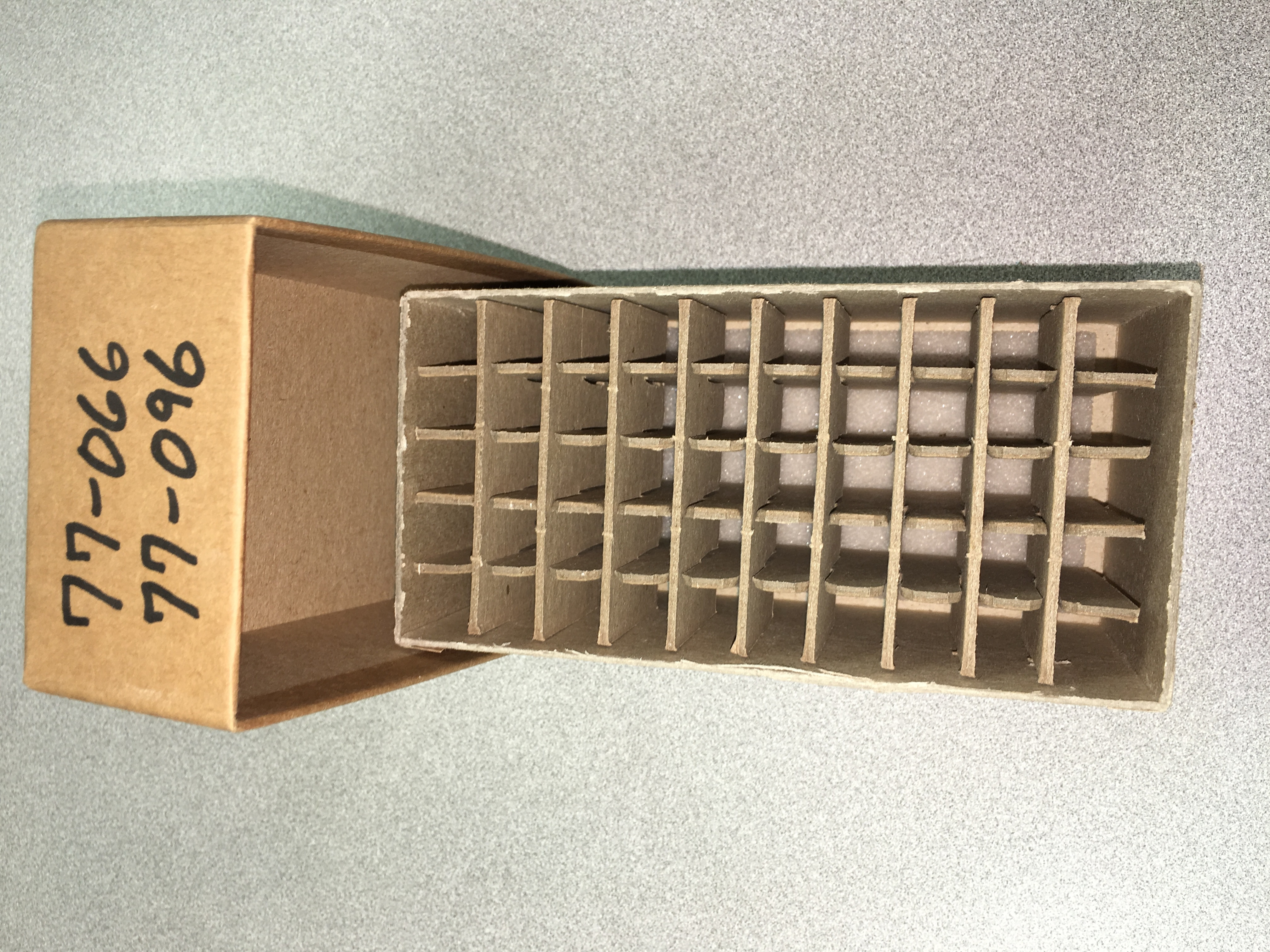
- Mil Spec packaging (ammo boxes, crates, pellets)
- Outdoor accessories (body cameras, compasses, flashlights, headlamps)
- Portable medical devices (defibrillators, ventilators, vital checkers)
- Protective gear (aviator sunglasses, combat helmets, tactical drones)
Why is MIL-STD-810G Important?
Military-grade equipment compliant with MIL-STD-810G survives in the harshest conditions that come its way.
Laboratories perform equipment testing by simulating extreme temperatures or exposure to dust, moisture, water, and other contaminants.
And once this equipment passes multiple tests, labs certify it mission-ready.
Now, we will explore how MIL-STD-180G equipment impacts a soldier’s mission through this example, illustrating its significance in testing weapons and its key role in the success of missions.
Example: Soldiers frequently need to communicate with their seniors and the defense teams on instructions and updates about the battlefield.
If they use a regular communication device, it fails in harsh conditions, resulting in mission failure. But a MIL-STD-810G tested rugged device can withstand fluctuating temperatures and last longer. It does not disappoint.
How to Verify if Your Equipment is MIL-STD-810G Compliant?
The MIL-STD-810G standard comprises three parts to verify equipment compliance.
These include:
- General Guidelines
- Test Methods
- World Climatic Regions
We will discuss all three parts in detail, so you can understand how the design, preparation, and testing of the equipment assist soldiers and deliver superior performance in various conditions.
Part 1: General Guidelines
These guidelines define the criteria for experimenting with the equipment:
- Choosing tests according to the actual environment for the equipment’s intended use
- Assigning roles and responsibilities of engineers, managers, and other stakeholders involved in the testing process
- Planning experimentation according to the entire lifecycle of the equipment
- Documenting every detail of the process
- Using real-world examples and data for testing the equipment
- Designing equipment from the very start with premium and rugged materials to make it resilient for harsh conditions and durable for long-term use
Part 2: Test Methods
There are a total of 29 testing methods in the MIL-STD-810G military standard. Each testing method is ideal for specific environmental conditions.
Here is a breakdown of all these testing methods and their purposes in the table below:
Method No.: | Test Name: | Purpose: |
500 | Low Pressure (Altitude) | Checks if the equipment works in high altitudes where air pressure and oxygen levels are lower |
501 | High Temperature | Checks if the equipment works under severe heat |
502 | Low Temperature | Checks if the equipment works in freezing conditions |
503 | Temperature Shock | Checks if the equipment works in sudden temperature changes from hot to cold |
504 | Contamination by Fluids | Checks if the equipment works while being exposed to fluids like cleaning agents, fuel, and oil |
505 | Solar Radiation (Sunshine) | Checks if the equipment withstands UV radiation for an extended duration |
506 | Rain | Checks if the equipment works after being exposed to intense rainfall, water spray, or dripping water |
507 | Humidity | Checks if the equipment works when exposed to water and heat |
508 | Fungus | Checks if the equipment resists fungal growth on its metal or base |
509 | Salt Fog | Checks if the equipment resists corrosion in marine air exposure |
510 | Sand and Dust | Checks if the equipment functions properly after exposure to sandstorms |
511 | Explosive Atmosphere | Checks if the equipment works in a fuel-air atmosphere without exploding |
512 | Immersion | Checks if an electric equipment works perfectly while partially or fully immersed in water |
513 | Acceleration | Checks if the equipment or structure remains intact after exposure to high-impact situations like crashes |
514 | Vibration | Checks if the equipment remains sharp despite shaking |
515 | Acoustic Noise | Checks if the equipment works in an extremely noisy situation |
516 | Shock | Checks if the equipment is drop-proof and impact-resistant |
517 | Pyroshock | Checks if the equipment functions properly while experiencing nearby explosions |
518 | Acidic Atmosphere | Checks if the equipment operates in contaminated air |
519 | Gunfire Shock | Checks if the equipment withstands shocks caused by gunshots |
520 | Temperature, Humidity, Vibration, and Altitude | Checks if the equipment works perfectly in a simulation where all these conditions are combined |
521 | Icing/Freezing Rain | Checks if the equipment works in freezing conditions or if ice covers its surface |
522 | Ballistic Shock | Checks if the equipment functions after exposure to nearby explosions |
523 | Vibro-Acoustic / Temperature | Checks if the equipment withstands various environmental conditions, such as heat, noise, and vibration, simultaneously. |
524 | Freeze / Thaw | Checks if the equipment works after freezing over and then thawing |
525 | Time Waveform Replication | Checks how long and what equipment can withstand a harsh condition |
526 | Rail Impact | Checks if the equipment resists the impact caused by a train collision |
527 | Multi-Exciter | Checks if the equipment survives vibration from different directions at the same time |
528 | Mechanical Vibrations of Shipboard Equipment | Checks if the equipment mounted on a ship resists vibrations caused by multiple factors, like engines and motion in water |
Part 3: World Climatic Regions
This is the third part in the verification process. Here, evaluating different climatic regions helps determine the correct geographic location and weather conditions for using the equipment.
With real information about the world’s regions and their climatic environment, you develop a better understanding of where to use the equipment and plan simulations for testing it.
For example, a soldier might use a rugged computer to operate in a desert environment. It must handle extreme dust and heat.
Here, the testing method number 510 evaluates if the computer functions perfectly after exposure to these conditions in a desert simulation.
Packaging and Transporting MIL-STD-810G Equipment
The military supplies qualify to be MIL-STD-810G compliant after repeated testing and evaluation. But here comes the next step, which ensures that working hard on it delivers achievable results.
This involves planning its packaging and transportation carefully.
With safe packaging in heavy-duty and reliable fiberboard boxes, metal cans, wooden ammo boxes, and other packaging containers that withstand long-distance shipping, the logistics staff can conveniently store and handle MIL-STD-810G equipment.
This, combined with the proper transportation through speedy trucks or ships, helps deliver the required equipment efficiently.
Conclusion
MIL-STD-810G is the benchmark for testing military supplies using various procedures to determine if these survive in unpredictable weather conditions. After strict evaluation, the equipment becomes MIL-STD-810G compliant, making it ideal for use. Correct packaging and transportation help deliver the supplies on time, playing a crucial role in making missions successful.
How Alta Max LLC Protects Your MIL-STD-810G Equipment?
Military-grade equipment is an essential component of a mission. It helps the soldiers perform their various tasks efficiently. And the right packaging solutions add an extra layer of reliability to it.
Here, you can trust Alta Max LLC as your trusted partner for premium-quality Mil Spec and custom packaging solutions tailored to your packaging requirements. Our dedication to excellence ensures that your MIL-STD-810G equipment reaches its destination at the right time.
For more information, check out our collection of containers and contact us at +504-948-8625. To book an order for top-notch packaging solutions, send us an email at orders@altamax.net.
Sources used for research: