Improperly packaged military equipment can cost lives and compromise missions. When it comes to battlefield readiness, even the most minor packaging flaw can lead to devastating consequences. Ensuring that critical supplies are transported safely without rust or damage is vital to their performance and success on the front lines.
There is a military standard for this entire packaging process that aims to deliver mission-ready supplies on the battlefield. This standard is the MIL-STD-2073-1E.
In this guide, we’ll explore the criteria outlined in MIL-STD-2073-1E to assess the packaging standards for military supplies, ensuring their safety throughout transportation. This will help you select the best packaging solutions to meet your needs and protect your equipment.
What is MIL-STD-20731E?
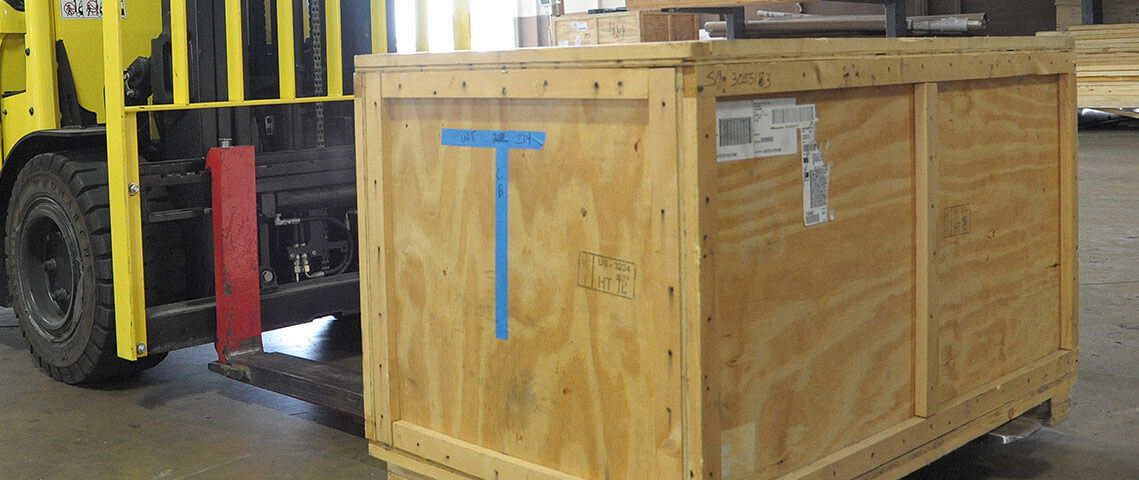
MIL-STD-20731E is the military standard set by the U.S. Department of Defense to set the criteria for military packaging. This standard involves the development and documentation of such packaging. The purpose is to preserve the quality, safety, and longevity of the military supplies to ensure they are mission-ready.
This military standard includes requirements to package, store, handle, and transport military supplies reliably. It makes this standard essential for evaluating military supplies packaging. If the packaging is done right, supplies can handle the frequent storage and transportation, and last longer during combat missions.
Exploring Common Methods to Preserve Supplies
Preserving the military supplies is an essential part of the process. As defined by the U.S. Department of Defense, these five are the most common methods of preservation:
- Method 10: Physical Protection
- Method 20: Preservative Coating
- Method 30: Waterproof Protection
- Method 40: Water Vapor Proof Protection
- Method 50: Watervaporproof Protection with Dessicant
Method 10: Physical Protection
In this method, you need to protect the items from physical damage and mechanical malfunction. Here, the items should remain in their original condition and function properly as required in the warzone.
You can apply this by using:
- Cushioning materials like foam and bubble wrap absorb shocks and vibrations during transportation.
- Dunnage materials like airbags and plastic sheets fill the empty spaces in containers to prevent items from shifting.
- Blocking method with wooden beams or metal brackets to restrict the movement of the equipment
- Bracing method to seal the cargo with chains or straps tightly against the sidewall of a container
Method 20: Preservative Coating
In this procedure, you add a layer of protection to the military supplies from damage or expiration caused by corrosion or moisture. For this purpose, you can apply preservatives like oil or VCI (volatile corrosion inhibitor) on these items.
After that, you can do the following:
- Wrap these items with materials like grease paper.
- Use cushioning foam or corner pads to cover any sharp edges or corners that may harm the wrapping.
- Enclose the items in a tight-sealed bag
Method 30: Waterproof Protection
This method follows the preservative coating process. Here, you need to wrap the military supplies in a waterproof or waterproof-greaseproof bag. After that, you should use a heat-sealed wrapping to protect the military supplies from contact with grease, moisture, and water.
Method 40: Watervaporproof Protection
In this method, you need to follow the same process as in Method 30. Here, the only difference is that you wrap the supplies with water-vapor-proof barriers to protect them from exposure to moisture.
Method 50: Watervaporproof Protection with Desiccant
Just like Method 40, you use a heat-sealed water-vapor-proof barrier to protect items from moisture. However, the difference in Method 50 is that you place substances called desiccants that absorb moisture. Their placement in the barrier is necessary to offer extra protection to moisture-sensitive supplies.
What are the Levels of Packaging in MIL-STD-20731E?
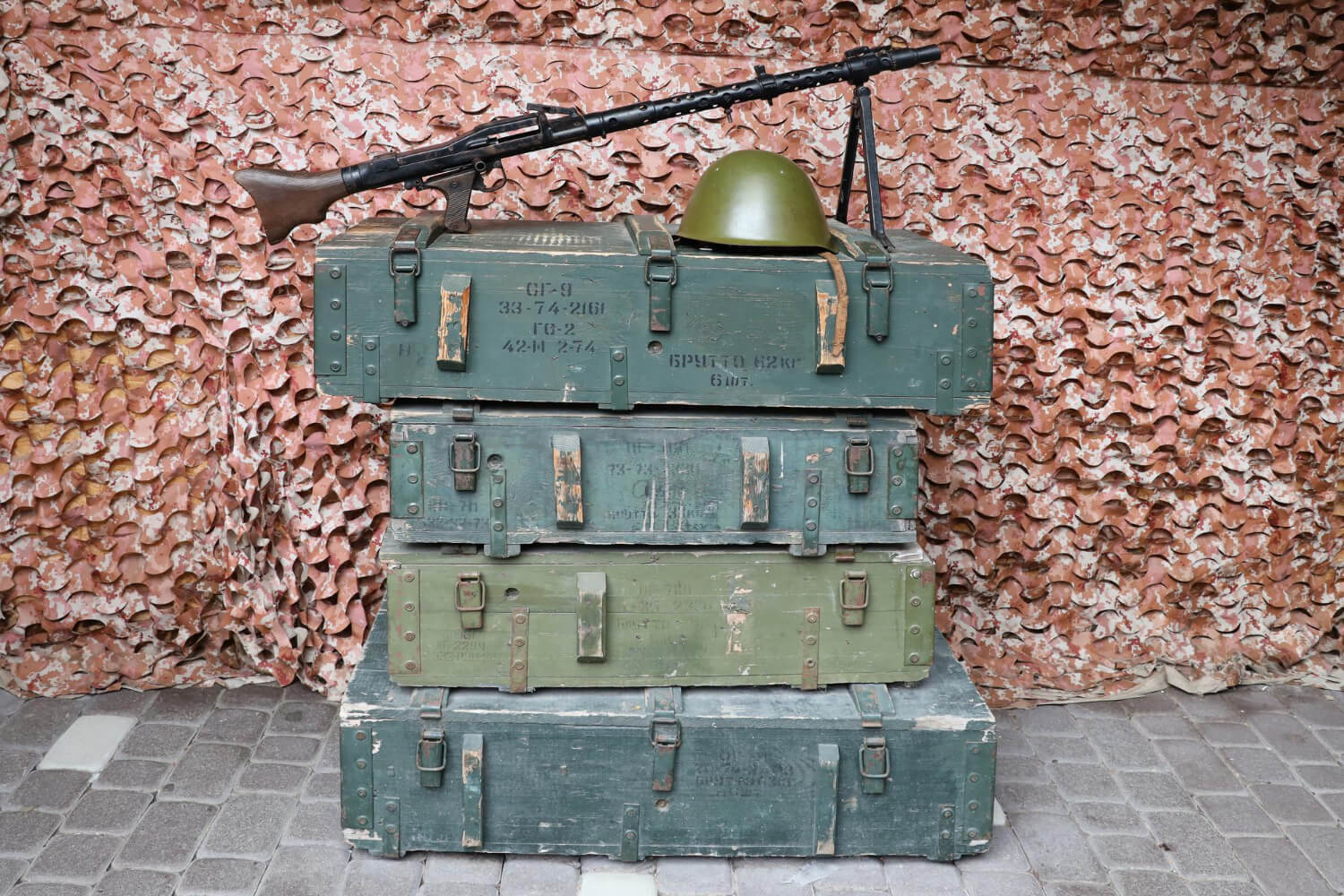
The levels of packaging determine the type of protection required for military supplies. These vary according to the kind of supply and transportation method.
There are two levels of packaging in MIL-STD-2073-1E. These are:
Level A
Level A packaging is the sturdiest packaging in MIL-STD-2073-1E. It aims to offer maximum protection to the military supplies intended for long-term use in the harshest weather conditions in the combat zone.
The purpose is to make sure that soldiers receive them in perfect condition and use them efficiently to succeed in their missions.
For Level A, select containers that can withstand repeated storage and transportation, frequent shipping over long distances, and crushing and stacking. Ensure that these containers fully protect military supplies from exposure to dust and moisture.
Level B
Level B protection is ideal for packaging supplies that do not undergo challenging storage conditions, and their intended use is not in harsh weather or combat zones. It is a medium-level protection.
This level of protection can help you pack supplies for short-distance transport. For example, office supplies, uniforms, and non-sterile medical supplies can easily withstand this transportation. They are not prone to much damage during the specified timeframe.
So, level B packaging containers offer moderate protection. Although they are sturdy enough, they are not as rugged as level A containers.
Which Containers are Suitable for MIL-STD-20731E Packaging?
You should determine the containers for a MIL STD 2073 packaging according to the levels of protection you require to transport specific equipment.
For Level A, use well-built and heavy-duty crates or ammo cans constructed from premium materials like metal and wood. These containers should be corrosion-resistant, waterproof, and free from other contaminants. Tightly close them with reliable security seals like Alucast 911 for an additional layer of protection.
On the other hand, use containers crafted from fiberboard, plastic, and other lightweight and durable materials for Level B. Packaging varies according to the inside contents. For example, if you have stored clothes, kits, and spare parts for short-term use, use a double-wall corrugated fiberboard container. This container can hold heavy items with ease.
How to Label the Military Supplies Packaging?
Logistics staff can easily handle and sort a military package if you label it correctly. Label it by following each package's identification and handling requirements.
This marking should be according to the MIL-STD-129 military standard. It details the requirements for labeling military supply packaging, including:
- National Stock Number
- Part Number
- Quantity
- Preservation Methods
- Level of Protection
- Container Details
National Stock Number
National Stock Number (NSN) is a 13-digit code by the U.S. Department of Defense. It allows identification of items inside the container, such as uniforms, weaponry, and other supplies.
Part Number
The Part Number is a unique identification number used by military supplies manufacturers to distinguish between their products.
Quantity
This detail explains the number of items in a package. For example, if a military package has 50 rifle scopes, the quantity is 50.
Preservation Methods
This detail explains the method of preservation used to preserve a military supply. For example, if you apply the waterproof protection method to safeguard moisture-sensitive equipment, mention Method 30.
Level of Protection
Here, you need to mention the level of protection used for packaging the supplies. For instance, if you have packaged military ammunition for long-term use inside reliable wooden ammo boxes, this is a Level A packaging.
Container Details
Mention the type of container used in packaging the items. For instance, if you have used a wooden ammo can, note the material and the type of container.
Conclusion
To summarize, the MIL-STD-2073-1E packaging ensures safe handling and transportation of the military supplies. By following the proper procedures and entering the correct marking details, you can deliver the equipment to the soldiers in perfect working condition. It is vital in helping them survive the hardships of the combat zone.
Why Choose Alta Max LLC for MIL-STD-20731E Packaging?
Alta Max LLC steps in as your reliable partner for MilSpec packaging solutions that comply with military standards like MIL-STD-20731E. We offer a wide range of premium quality containers designed to meet your packaging needs, providing complete protection to your essential military supplies.
For more details, check our collection for military-grade packaging options, and contact us for inquiries at +504-948-8625.