When you think of the most dangerous weather events in the world, would you rank heat in the top 5? How about as number one?
Extreme heat leads to more injuries and deaths than floods, tornadoes, and hurricanes combined. And unlike those sudden and dramatic weather events, extreme heat can slowly sneak up and leave you desperate for relief quickly.
For those operating outdoors or in industries such as shipping or logistics, high temperatures can result in dangerous conditions fast – and that desire to “tough it out” can lead to trips to the emergency room faster.
Knowing how to protect yourself and your team from extreme heat is more than smart business – it can be life-saving in severe conditions.
At Alta Max, we’ve spent over 20 years working alongside professionals in some of the world’s most demanding environments, and we’ve learned that safety always comes first when dealing with high heat.
Why Is Heat So Dangerous?
We’ve all dealt with uncomfortable heat. Fortunately, the advent of air conditioning and a nice local pool can help take the edge off of hot days.
But what about when the temperature rises above “uncomfortable” levels?
Our bodies are remarkably well-suited for dealing with heat. Our internal core temperature (typically 98.6°F or 37°C) keeps us at equilibrium. When external temperatures rise, our internal cooling system kicks in – which is why we sweat as our bodies release heat to stay cool.
But when those conditions are prolonged without hydration or shade, even the most powerful internal systems can’t keep up. Add in physical exertion from lifting and moving objects or operating equipment, and the danger rises. Metal equipment, concrete floors, and direct sunlight can turn your workspace into a giant oven.
The progression from “hot” to heat stress and even heat exhaustion/emergency happens faster as you reach each level. Heavy sweating, weakness, nausea, headache, and dizziness are all signs that you might be experiencing heat exhaustion.
Heat stroke – when your internal temperature goes above 104°F – can lead to your organs shutting down and requiring emergency medical attention.
Heat is particularly dangerous because slow-rising temperatures can slow down your judgment and reaction time long before you reach hazardous levels. One poor decision in the heat can lead to a cascade of dangerous consequences.
8 Tips for Beating The Heat
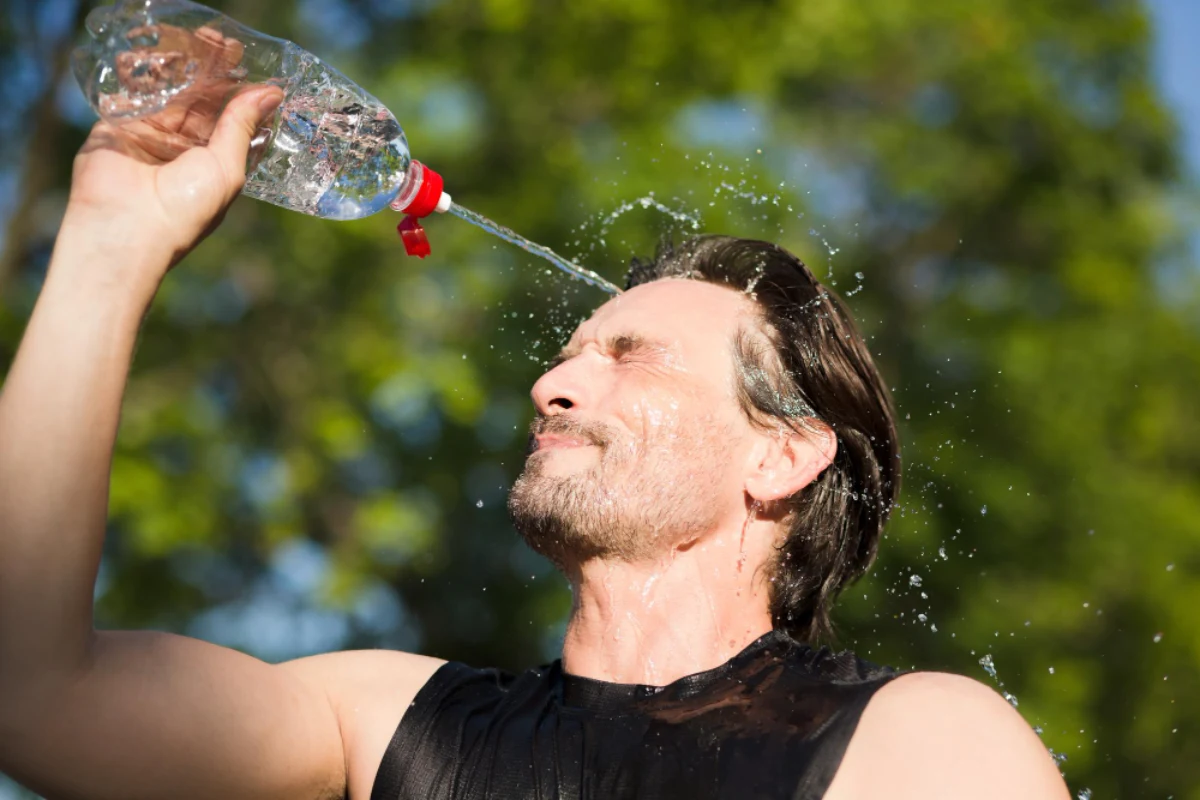
1. Remember, Hydration Is Your First Defense
One of the best ways to prevent heat exhaustion or emergency is to stay well hydrated at all times. Start drinking water early in the day and before you feel thirsty.
Aim for ¾ gallons of water throughout the day, and try to drink at least a cup of water every 15-30 minutes during extreme heat.
Sports drinks can help with electrolyte loss, but always check the labels to make sure you’re drinking something that will actually help you stay hydrated (without the excess sugars).
2. Time Your Work Carefully
Whether you work outside or in an office, high heat can take a toll on your body quickly. Try to schedule your work or other activities strategically during high-heat days to prevent overexertion.
If you have strenuous activities to complete, try to do them in the early morning hours or in the late evening as the sun sets. Save lighter work for those mid-day peak hours of heat.
3. Create A Personal Cooling System
Depending on your circumstances, you can create a habit of building your own “personal cooling system.” All you need is a cooling towel for your neck and a spare set of clothes that you can change into if you begin to sweat through your shirt.
Keep a portable fan near your workspace, and run cool water on your wrists during breaks to quickly cool down your body. Keep a running list of water intake, and challenge yourself to stay ahead of your water goals each day!
4. Take Breaks and Take Them Often
When the heat is extreme, make sure to take plenty of breaks. Aim for at least 10 minutes every hour or so to get into some shade or air conditioning to cool down.
Try the buddy system to make sure others are staying cool, and work with your employer to make sure you have suitable break schedules in place to prevent heat exhaustion or overwork.
5. Dress For Success
Did you know that the type of clothing you wear can work against you in high heat? Some clothing can trap heat in your body rather than help you release it – which can make your internal temperature go up much faster.
Aim for light-colored, loose-fitting clothing that allows air to circulate more easily as you work. Moisture-wicking clothes are also great, as they can help pull your body’s sweat away and dry naturally (much better than cotton!)
6. Fuel Your Body Properly
On hot days, stick to lighter meals that won’t leave you feeling overly full or crash your blood sugar, which can leave you feeling lethargic and making poorer decisions.
Water-rich foods (like fruits) can help keep you hydrated throughout the day as well. Coffee can be a great way to wake up, but it has caffeine that may dehydrate you much faster. When in doubt, stick to water.
7. Know The Environment and Adapt
You’ll want to keep an eye on the temperature as well as the heat index in your area. 90°F with high humidity is more dangerous than 100°F in dry conditions.
Try to find the coolest areas where you work or at home to stay cool, and consider investing in some ice packs that you can break out on extra hot days. If you’re working near equipment or in direct sunlight, try to limit your exposure time to stay safe.
8. Recognize and Respond to Heat-Related Warning Signs
Sometimes, even the best precautions can still leave you vulnerable to heat-related illnesses. If you begin to see any of the symptoms of heat exhaustion or heat stroke in yourself or someone else, stop what you’re doing and seek help immediately.
Have the right protective materials (cool towels, ice packs, water) and a list of emergency contacts to get in touch with medical professionals as soon as you can.
Create A Heat-Safe Workplace Culture

Heat-related injuries and deaths can be reduced and prevented when we take the right steps toward a safety-first culture.
Companies should strive to make safety resources available for all types of risk, including high heat. Build a culture that adapts to different conditions, and be willing to get flexible with schedules and the work environment as temperatures rise.
Most importantly, keep everyone trained and aware of the risks of heat-related illness and know how to seek help when they begin to feel unwell. Consider starting each season with a refresher on safety training and assigning specific individuals to serve as “safety champions” who can help others stay safe throughout the year.
Heat safety is all about being smart enough to recognize the very real dangers of extreme temperatures. These eight tips aren’t just suggestions – they are small, proven ways to help keep people safe and reduce risk.
The bottom line is simple: no deadline, no shipment, and no production goals are worth the risk of heat stroke or heat-related death. Here at Alta Max, we’re proud to be a leader in the industry, focusing on helping our clients stay equipped and safe, regardless of their sector or goals. Together, we can reduce the risks of extreme heat and create a safer world for everyone.
Want to learn more about Alta Max and our commitment to excellence? Check out our resources online and shop our full lineup of products. Contact our team today to learn more!